

How to Buy a Modular Sectional Sofa in 2026?
Buying a modular sectional in 2026 requires more than choosing a color from a showroom wall. It means studying your room, lifestyle, budget, and future needs before placing an order. A modular sectional can adapt to changing spaces, but flexibility does not guarantee comfort or quality. Each configuration should support real daily habits, from quiet reading to crowded movie nights.
This guide examines the details experienced furniture buyers often check first. We will consider seat depth, cushion filling, frame construction, connector strength, fabric performance, and delivery access. Measure doorways, elevators, stair turns, and the final placement area. A beautiful sofa becomes frustrating when one module cannot pass through the hallway. Small details matter.
Comfort is personal.
Reviews can help, but they cannot replace sitting on the sofa. If possible, test the seat for at least ten minutes and notice whether your hips sink too deeply. Check the return policy, warranty terms, replacement-module availability, and cleaning instructions. These practical points reveal how confidently a brand supports its product after purchase.
Some recommendations may not fit every household. That is worth admitting. A low, deep design may suit relaxed lounging but challenge older users or smaller rooms. Performance fabric may resist daily marks, yet still show texture changes over time. By comparing evidence, measurements, and honest trade-offs, you can choose a modular sectional that feels considered rather than impulsive. In 2026, the smartest purchase is not necessarily the largest or most expensive one. It is the configuration that remains useful when your room, routine, or expectations change.
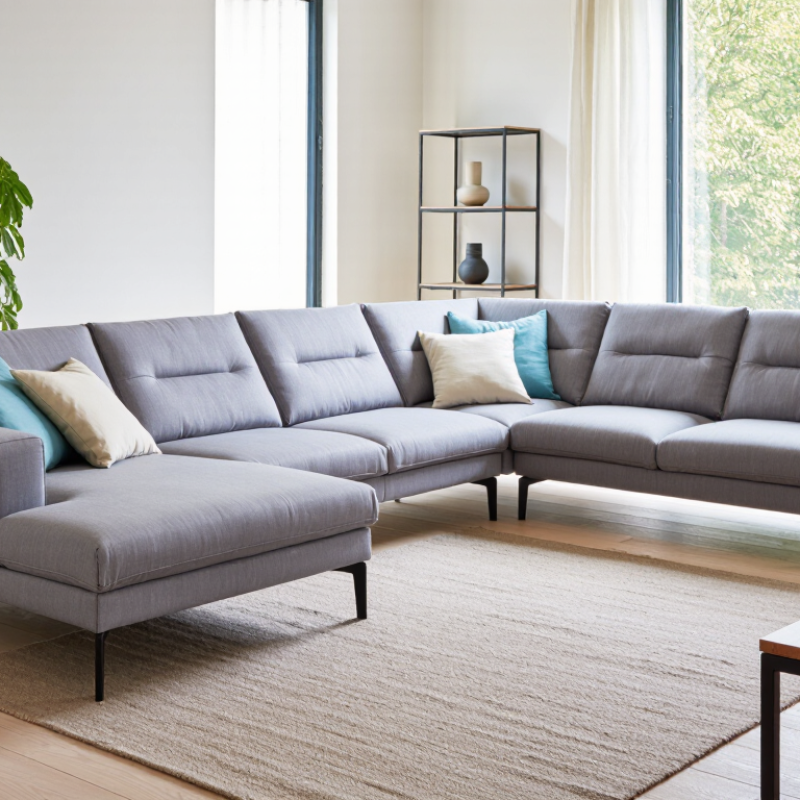
Define Your Space, Lifestyle, and Modular Sofa Requirements
How to Buy a Modular Sectional Sofa in 2026? Start by defining the room, not the sofa. Measure wall length, doorway width, elevator space, and walking paths. Leave at least 30 inches for comfortable circulation. The 2023 American Community Survey reports an average U.S. household size of about 2.6 people, but household routines vary widely. A couple may need a compact chaise. A family may need washable, rearrangeable seating. Pets change the material decision completely. Write down who sits there, where they eat, and how often the layout changes.
Modular furniture is gaining attention. Grand View Research estimated the global modular furniture market at approximately 63 billion dollars in 2023, with continued growth expected through 2030. That growth reflects flexibility, but flexibility can hide poor planning. Choose seat depth based on posture, not appearance. Check cushion density, frame construction, cover removal, and replacement-part availability. Measure each module separately. A sectional that fits the room may still fail through the front door. I once underestimated an angled stairwell. It looked manageable on paper.
Think in future layouts. Can two modules face a television? Can one become a reading chair? According to the U.S. Census Bureau, more than 38 million Americans lived alone in recent years, making adaptable furniture useful for changing households. Ask for fabric abrasion results, cleaning instructions, and warranty terms. Avoid choosing only by a showroom photograph. Your room has different light, traffic, and noise.
Compare Modular Configurations, Materials, Comfort, and Durability
Buying a modular sectional in 2026 starts with measuring real movement, not just floor space. Mark each module with painter’s tape. Leave clear paths around tables, doors, and heating vents. A three-seat corner layout may look generous, yet it can block a narrow walkway. Compare straight, L-shaped, U-shaped, and chaise configurations. Reversible corner pieces offer useful flexibility after a room change. That flexibility has limits. Some connectors loosen when modules are moved repeatedly.
Material choice affects maintenance, touch, and service life. Tightly woven polyester resists everyday rubbing and cleans more easily than loose boucle. Top-grain leather develops character, but it can show scratches and cost more to repair. Performance fabrics vary widely, so request abrasion data, cleaning instructions, and replacement-cover availability. Inspect seams, zipper tracks, and the underside. A firm frame should feel quiet when you sit and shift. Kiln-dried hardwood is generally dependable, but construction details matter more than labels. Foam density and layered cushioning influence comfort. Soft cushions feel inviting on day one. They may flatten sooner.
Test the sofa for at least ten minutes. Sit upright, recline, and lie across the chaise. Check whether your feet touch the floor and your lower back feels supported. Ask about delivery access, assembly, warranty limits, and individual module replacement. Online photographs can hide low backs or shallow seats. I once underestimated seat depth and needed extra pillows. That mistake changed my buying checklist. Choose comfort you can repeat daily, not softness that impresses briefly. Inspect the frame and connectors annually. Small adjustments can prevent expensive sagging.
Measure Your Room, Entryways, and Furniture Placement Options
How to Buy a Modular Sectional Sofa in 2026?
Before choosing a modular sectional sofa, measure the room carefully. Record wall lengths, ceiling height, windows, radiators, and nearby doors. Leave at least 30 inches for comfortable walking paths. Mark the sofa’s expected footprint with painter’s tape. This reveals whether the layout feels balanced before delivery. Measure every entryway, too. Check the front door, hallway turns, elevator, stairwell, and room entrance. Note the narrowest point, not just the doorway width. A sofa can fit through a door but fail at a sharp corner. Small mistakes matter.
Tips: Create a simple floor plan and label each measurement. Measure diagonally across tight corners. Ask the seller for packed-module dimensions, not only assembled sizes. Confirm whether legs, arms, and back cushions can be removed. Keep a few inches of clearance around vents and heating sources. These details support safer placement and better airflow.
Think about furniture placement options before purchasing. A modular design may support an L-shape, U-shape, or separate chairs. Test each arrangement using cardboard boxes or taped floor sections. Keep the television viewing angle comfortable. Avoid blocking natural light or essential storage. In practice, shoppers often underestimate side clearance. I would reconsider any plan that depends on perfect measurements. Rooms change, and flexible pieces help. Also check whether modules connect securely and can be rearranged without special tools.
Evaluate Brands, Prices, Customization, Delivery, and Warranty Terms
How to Buy a Modular Sectional Sofa in 2026?
A modular sectional should fit your room, budget, and daily habits. Compare brands by frame materials, cushion density, fabric testing, and customer support. Do not trust polished photos alone. Read recent reviews about sagging, color changes, assembly, and delayed responses. A showroom test helps, but online measurements still matter. Measure doorways, elevators, stair turns, and the final wall before ordering.
Tips: Request fabric samples. Sit for ten minutes. Check every warranty clause. Compare the complete price, not the advertised starting price. Custom colors, deeper seats, extra modules, and performance fabrics can raise the cost quickly. Ask whether returns cover customized pieces. Some warranties protect the frame but exclude cushion compression, stains, pet damage, or normal wear. That distinction matters.
Delivery terms deserve equal attention. Confirm production time, shipping method, room-of-choice service, assembly fees, and damage reporting deadlines. Photograph the cartons before opening them. Keep all packaging until the sofa passes inspection. I once underestimated a narrow hallway, and one module needed a different route. That mistake was avoidable. Also check whether replacement modules will remain available later, because a modular sofa may need expansion after a move. Reliable sellers provide written specifications, clear invoices, and realistic delivery updates rather than vague promises.
Order, Assemble, Test, and Maintain Your Modular Sectional Sofa
How to Buy a Modular Sectional Sofa in 2026?
Order carefully by measuring every doorway, elevator, and stair turn. Record the narrowest point, not just the room size. Sketch the sofa layout with masking tape on the floor. This reveals whether the chaise blocks a cabinet or walking path. Ask for seat dimensions, cushion firmness, fabric cleaning instructions, and delivery details. Confirm each module’s weight before ordering. I once overlooked a tight hallway, and the delivery team needed a second route.
When the boxes arrive, photograph damaged packaging before opening them. Check every panel, connector, leg, and cushion against the packing list. Assemble on a clean blanket, with two adults supporting heavy sections. Follow the instructions closely. Do not force a misaligned bracket. I have rushed this step before, leaving one connector loose and creating an annoying gap. Tighten hardware evenly, then sit on each connection. Small movement may indicate poor alignment.
Test the sofa for an afternoon, not just five minutes. Sit upright, stretch out, and change positions across every module. Notice pressure points, uneven cushions, rocking legs, and sliding sections. Test it barefoot, wearing ordinary home clothes. Comfort can feel different after an hour. For maintenance, vacuum seams weekly and blot spills immediately with a white cloth. Rotate reversible cushions regularly, if permitted. Recheck connectors every few months. Sunlight, pets, and frequent sleeping can change the fabric faster than expected. Keep the care label nearby; guessing with strong cleaners can permanently damage upholstery.
How to Buy a Modular Sectional Sofa in 2026? - Order, Assemble, Test, and Maintain Your Modular Sectional Sofa
| Stage | Data Dimension | Recommended Specification or Range | How to Check | Practical Buying or Care Note |
|---|---|---|---|---|
| Order | Room clearance | Keep approximately 75–90 cm for main walking paths; allow additional space for doors, drawers, and recliners. | Measure the room, doorway, elevator, stair turns, and the sofa’s packaged dimensions before ordering. | Use a floor plan or painter’s tape to mark the full sofa footprint and each planned configuration. |
| Order | Seat capacity | Allow about 55–65 cm of seat width per adult for comfortable everyday seating. | Divide the total usable seating width by the number of regular users. | Choose fewer, wider modules for lounging or more modules when flexible seating is the priority. |
| Order | Seat height and depth | Typical seat height: approximately 43–50 cm; typical seat depth: approximately 50–65 cm. | Compare the dimensions with the user’s leg length and preferred sitting posture. | A shallower seat generally suits upright sitting; a deeper seat suits relaxed lounging with extra back support. |
| Order | Frame and support | Look for a rigid frame, securely fixed joints, evenly spaced support, and a stable base. | Ask for construction details, warranty terms, weight limits, and replacement-part availability. | A modular system is more useful when individual covers, connectors, legs, and cushions can be replaced. |
| Order | Upholstery performance | For frequent household use, consider removable, washable covers and a fabric rated for regular residential wear. | Read the care label and confirm whether covers can be removed without damaging zippers or seams. | Test a fabric sample for texture, color, pilling tendency, and compatibility with pets or children. |
| Order | Delivery inspection policy | Confirm the inspection window, damage-report process, return conditions, and whether packaging must be retained. | Save the order details and photograph cartons, labels, upholstery, legs, and connectors upon delivery. | Do not discard packaging until all modules have been inspected and assembled. |
| Assemble | Assembly preparation | Allow a clear working area larger than the final sofa footprint and protect hard floors during assembly. | Lay out modules, hardware, tools, and instructions before connecting anything. | Two adults are often helpful for lifting and aligning large modules; follow the supplied instructions. |
| Assemble | Module alignment | Adjacent modules should sit level, with even gaps and connectors fully engaged. | Check the front, side, and rear alignment before applying final pressure or tightening hardware. | Never force a connector that is misaligned; reposition the modules and inspect for trapped fabric or debris. |
| Test | Stability and movement | The assembled sofa should remain stable during normal sitting, standing, and moderate directional movement. | Apply gradual pressure to each seat, arm, back, and junction; listen for clicks, cracking, or excessive movement. | Stop using the sofa if a frame, leg, connector, or joint appears damaged. |
| Test | Comfort consistency | Seat height, cushion firmness, back support, and seat depth should feel reasonably consistent across modules. | Sit in every position for several minutes and compare edge, corner, and center seats. | Rotate or reposition reversible cushions if permitted by the care instructions. |
| Test | Safety clearance | Keep the sofa away from heaters, open flames, blocked vents, and unstable shelves or wall fixtures. | Check that walkways remain clear and that no electrical cords are trapped under the modules. | Use non-slip pads only when suitable for the flooring and approved for the furniture base. |
| Maintain | Routine cleaning | Vacuum upholstery and crevices regularly; clean spills promptly using the fabric manufacturer’s approved method. | Check the care code or label before using water, detergent, steam, or stain remover. | Blot liquid instead of rubbing it, and test any cleaning product on a hidden area first. |
| Maintain | Cushion care | Fluff and rotate compatible cushions periodically to distribute normal wear. | Inspect for uneven compression, loose seams, exposed filling, or damaged zippers. | Do not rotate cushions that are shaped, fixed, or labeled for one position only. |
| Maintain | Connector and hardware check | Inspect connectors, legs, bolts, and feet at least every few months or after rearranging modules. | Tighten only hardware designed to be tightened and replace visibly damaged parts. | Avoid over-tightening, which can damage threads, frames, or connector housings. |
| Maintain | Reconfiguration frequency | Reconfigure when room use changes, but lift modules rather than dragging them whenever possible. | Disconnect modules according to the instructions and verify that all connectors are released before moving. | After every rearrangement, repeat the alignment, stability, and clearance checks. |
General guidance only. Always follow the sofa’s assembly instructions, care label, safety warnings, and applicable local requirements.
Related Posts
-
Exploring the Future of Modular Couches: Trends and Insights for Global Buyers
-
What are the Best Modular Sofa Options for Global Buyers?
-

China Top Modular Sectional Furniture for Global Buyers?
-
Navigating Import and Export Certifications for Sourcing the Best Black Dining Chairs Globally
-
Overcoming Common Challenges with Dining Sets: A Guide for Savvy Buyers
-
What Are the Top Types of Modular Sectionals?