

Top 10 Down Flooring Options for Global Buyers
Choosing flooring across borders is rarely just a style decision. Climate, building use, installation skills, and maintenance routines can change how a product performs. This guide compares ten practical options, including solid and engineered wood, laminate, vinyl, tile, natural stone, bamboo, cork, carpet, and polished concrete. For global buyers, Down Flooring should be judged by more than a sample board. A glossy finish may look convincing in a showroom, yet behave differently beside a sunny window or damp entryway. Small details matter. Check product specifications, wear layers, moisture limits, slip performance, emissions information, warranty terms, and replacement material availability. These checks help buyers compare quotes on equal terms.
Each option has trade-offs. Tile handles water well, but grout needs attention; hardwood offers warmth, but humidity can cause movement. Vinyl and laminate may simplify upkeep, though quality varies widely between product lines. Natural materials bring texture and variation. That variation is not always a flaw, but it can complicate color matching later. Before ordering, request technical data sheets and confirm installation requirements with a qualified local professional. Shipping, acclimation time, subfloor condition, and cleaning products also deserve a place in the decision. No option wins everywhere. The comparisons ahead are a starting point, not a substitute for project-specific checks. Even careful planning can miss a detail.
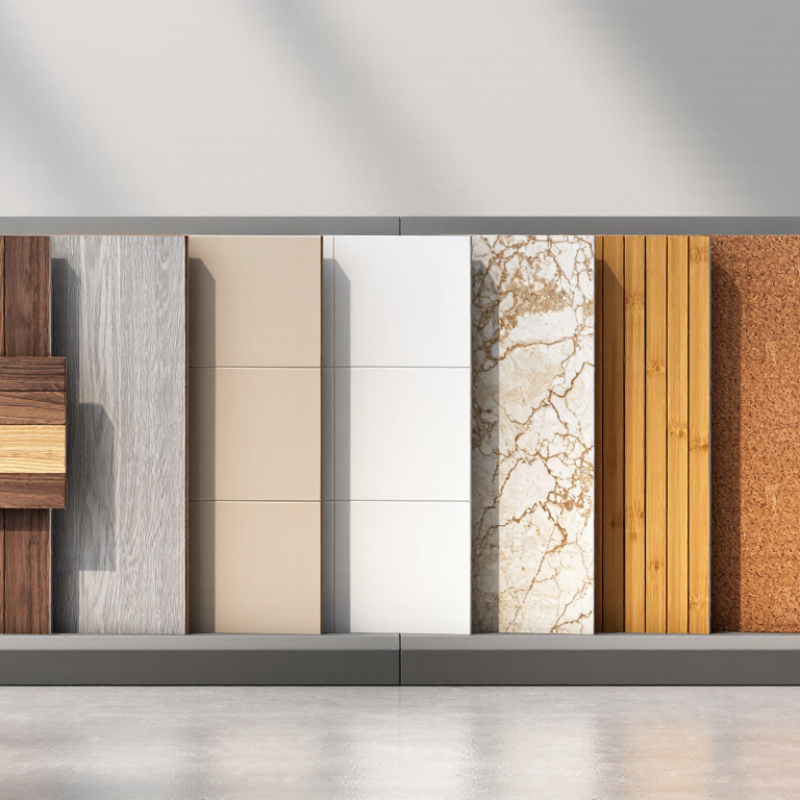
How Global Markets Shape Flooring Requirements
Flooring choices that work in one market may fail in another. A coastal home with damp air needs different moisture control than a dry inland apartment. In colder regions, underfoot warmth and insulation matter; in busy city shops, abrasion resistance and easy cleaning often take priority. Local climate changes how boards expand, adhesives cure, and surfaces age.
Details matter. Buyers should compare room use, expected foot traffic, installation skills, and maintenance routines before selecting a material. Wood can bring warmth, but humidity swings may cause movement if acclimation and fitting are rushed. Tile handles frequent cleaning well, yet hard surfaces can feel cold and amplify footsteps. Resilient flooring may suit high-use spaces, though the wear layer and surface texture deserve close inspection.
Supply conditions also shape practical choices. A product available consistently in one region may be costly or slow to replace elsewhere, making repairability important. Ask for technical data on moisture tolerance, slip resistance, and cleaning requirements, then check that the information matches the intended room. Even careful specifications can miss local habits, such as removing shoes indoors or cleaning floors with generous amounts of water. That gap is worth revisiting before ordering.
Top 10 Down Flooring Options for Global Buyers - How Global Markets Shape Flooring Requirements
| Flooring option | Typical construction | Key advantages | Climate and moisture considerations | Common applications | Global buyer checks |
|---|---|---|---|---|---|
| Engineered wood | Wood veneer over a layered wood-based core. | Natural wood appearance; layered construction is generally more dimensionally stable than solid wood. | Still responds to humidity and standing water; acclimation and moisture-managed installation are important. | Living areas, bedrooms, and some compatible underfloor-heating systems. | Check wear-layer thickness, core construction, installation method, and indoor-emissions documentation. |
| Solid hardwood | Milled boards made from a single piece of wood. | Can often be sanded and refinished; offers a long service life when properly maintained. | Expands and contracts with changes in humidity; generally unsuitable for persistently damp areas or below-grade rooms. | Dry, above-grade residential spaces and selected commercial interiors. | Verify wood species, legal sourcing, moisture requirements, and local installation standards. |
| Laminate | Decorative image layer, wear layer, and fiberboard-based core. | Offers a wide range of designs and a hard, wear-resistant surface; many products use floating installation systems. | Water resistance varies by product; water can damage many fiberboard cores, especially at joints and edges. | Residential living areas, bedrooms, and light commercial settings, depending on the product rating. | Compare abrasion and use-class ratings, joint protection, underlay requirements, and emissions information. |
| Luxury vinyl tile or plank (LVT/LVP) | Multi-layer resilient flooring, commonly available in tile or plank formats. | Comfortable underfoot, easy to clean, and available in many surface designs; water performance depends on the product and installation. | Often suitable for damp-prone interiors, but seams, perimeter details, subfloor moisture, and product limits still matter. | Kitchens, apartments, retail interiors, and other areas where easy cleaning is valued. | Review total thickness, wear layer, fire and emissions documentation, installation method, and local chemical restrictions. |
| Ceramic tile | Kiln-fired clay tile, usually finished with a glaze. | Durable, easy to clean, and available in varied colors and patterns. | The tile itself resists water, but grout, joints, and the underlying assembly need suitable detailing; surfaces may feel cold. | Bathrooms, kitchens, and warm-climate interiors; also used in commercial spaces when appropriately specified. | Check slip performance for the intended use, tile caliber, installation requirements, and local product standards. |
| Porcelain tile | Dense ceramic tile made from refined materials and fired at high temperatures. | Low water absorption and good resistance to wear; available for both interior and exterior applications when rated accordingly. | Suitable for many wet areas; outdoor use requires products and installation details suited to local freeze-thaw and slip conditions. | Bathrooms, public buildings, retail floors, and selected patios or exterior areas. | Confirm applicable product classification, surface finish, slip suitability, and installation-system compatibility. |
| Natural stone | Quarried stone, such as granite, slate, limestone, or marble. | Distinct natural variation and a durable surface when the stone is selected and maintained appropriately. | Porosity, stain resistance, and freeze-thaw performance vary by stone; some types need sealing and careful cleaning. | Entryways, bathrooms, feature areas, and exterior settings where the stone is suitable. | Request the stone type, finish, absorption information, care guidance, and confirmation of intended-use suitability. |
| Bamboo | Flooring made from processed bamboo, commonly in strand-woven or laminated forms. | Renewable plant-based feedstock and a range of finishes; properties vary with manufacturing and product design. | Like wood-based flooring, it can respond to moisture and humidity; avoid standing water and follow acclimation guidance. | Dry residential rooms and selected commercial interiors, according to product specifications. | Check construction type, finish durability, adhesives and emissions documentation, and sourcing information. |
| Cork | Cork granules or veneer formed into tiles or layered flooring products. | Naturally resilient underfoot and provides some thermal and sound insulation. | Sealed products can tolerate routine spills, but prolonged moisture may damage the material or its joints. | Bedrooms, living spaces, and work areas where a softer walking surface is preferred. | Review finish and resealing needs, subfloor requirements, sunlight sensitivity, and emissions documentation. |
| Polished concrete | Concrete slab mechanically ground and polished, sometimes with densifiers or topical treatments. | Hard-wearing, low-joint surface with a finish that can use the existing structural slab. | Performance depends on slab condition and moisture; the surface can be hard, cool, and slippery when wet depending on finish. | Warehouses, retail spaces, offices, and contemporary residential interiors. | Assess slab flatness and moisture, crack-control expectations, slip needs, and the maintenance plan. |
Product performance and regulatory requirements vary by country and by installation. Confirm local building, fire, indoor-air-quality, slip-resistance, and installation requirements before purchasing.